Dorich House: A Moment in Time
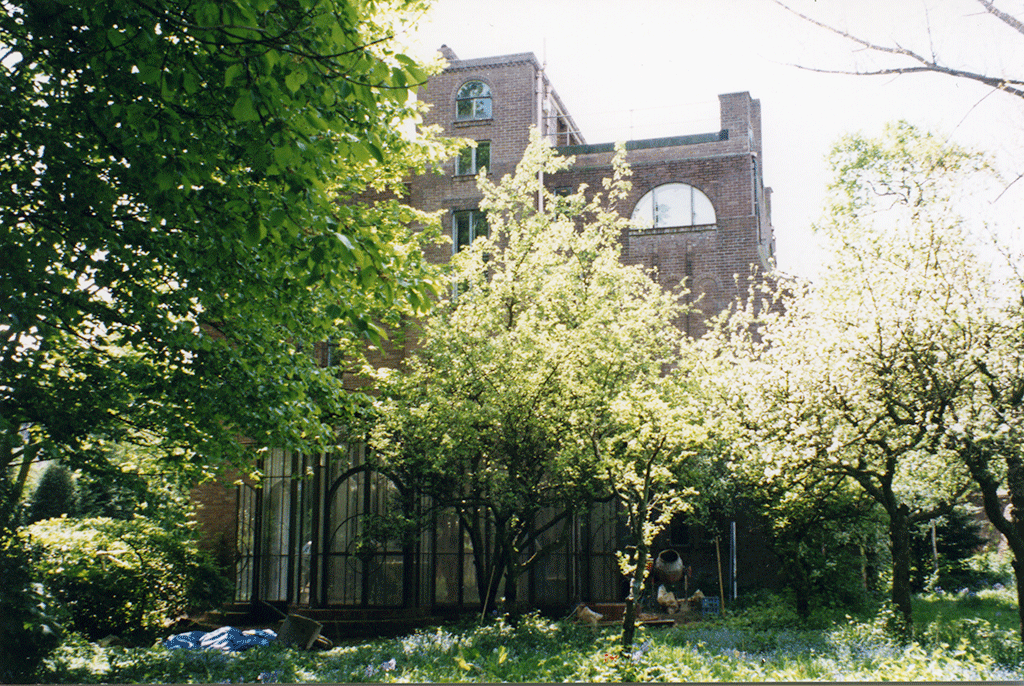
The exterior of Dorich House, including a greenhouse-style structure that was part of the film set for Two Deaths
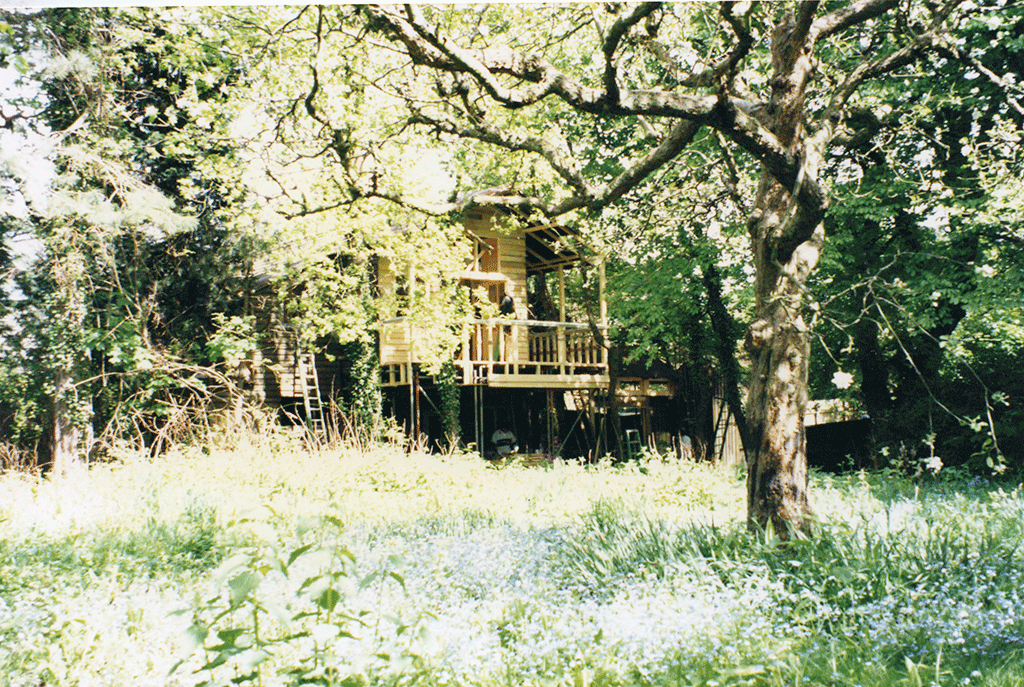
A wooden structure had been built in the garden at Dorich House. It is not known whether this was built by squatters or for the filming.
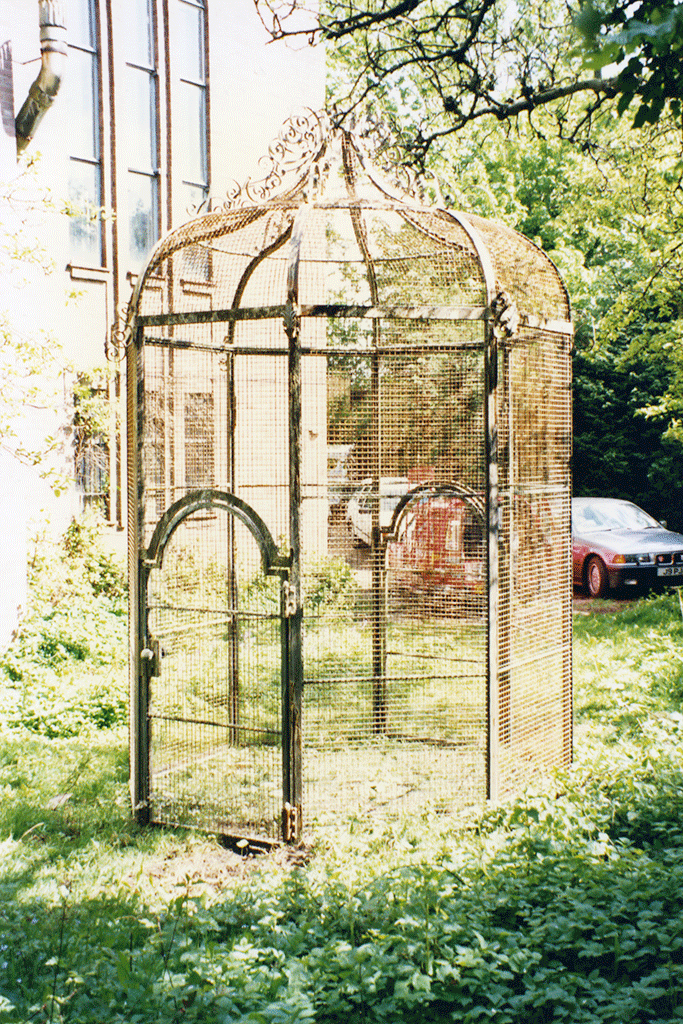
A remnant of the Two Deaths film set
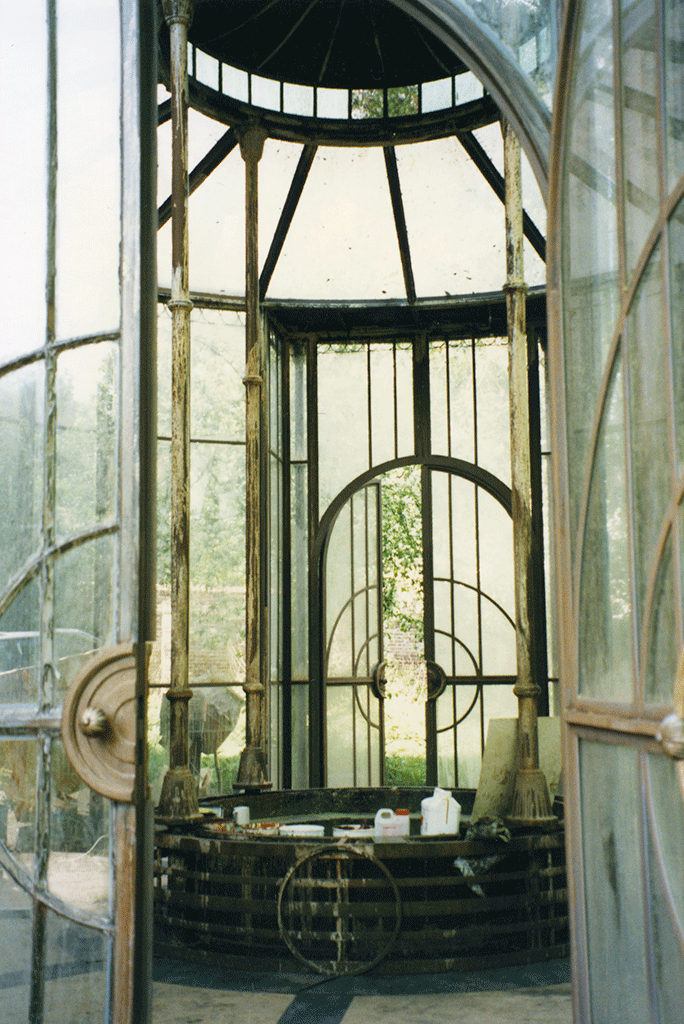
Inside the greenhouse-style structure that was part of the film set for Two Deaths
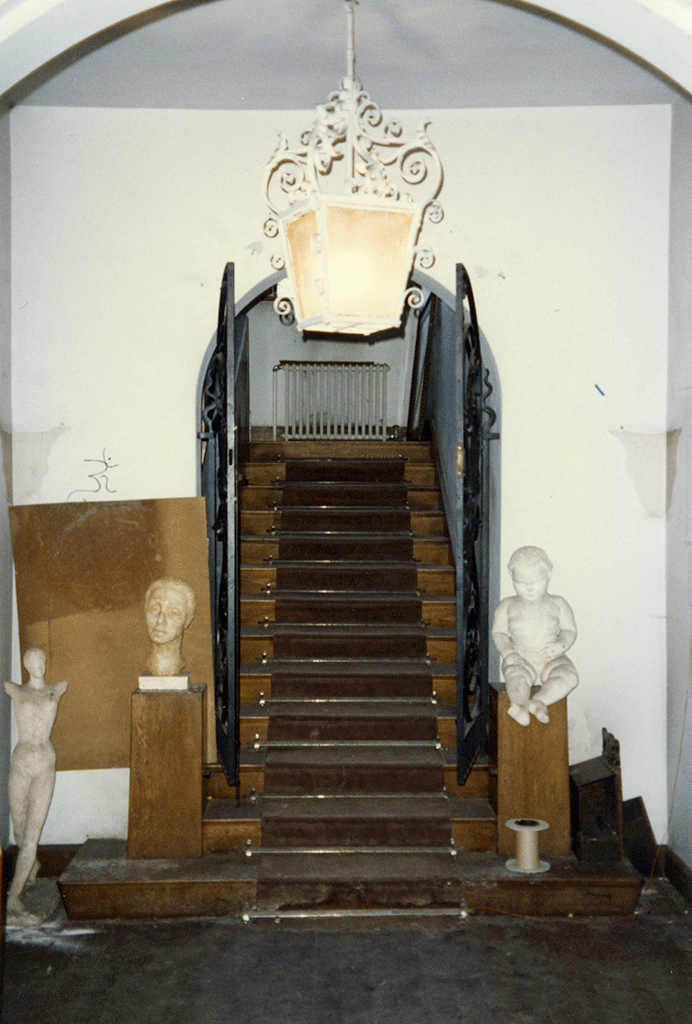
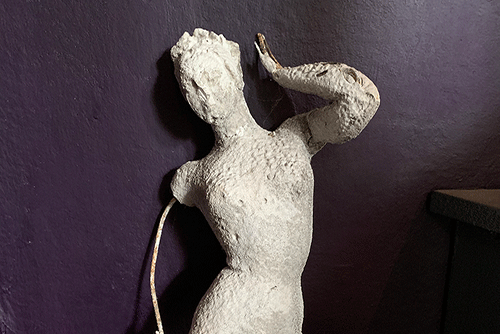
The entranceway and staircase, including three of Gordine’s plaster casts and the Om symbol written on the wall.
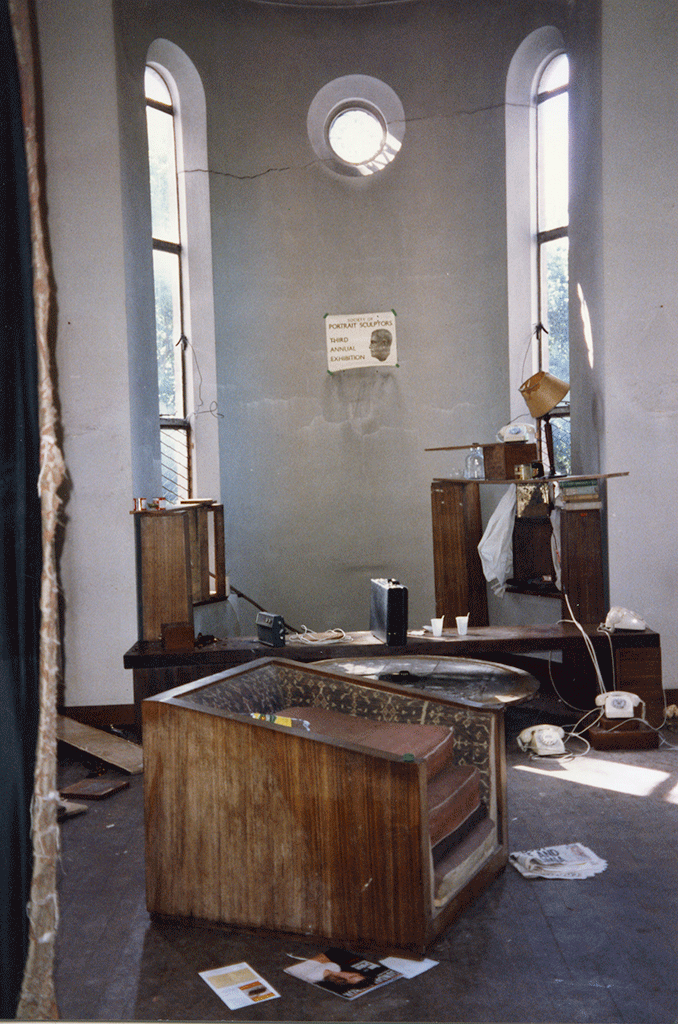
The gallery with some of Gordine and Hare’s original furniture
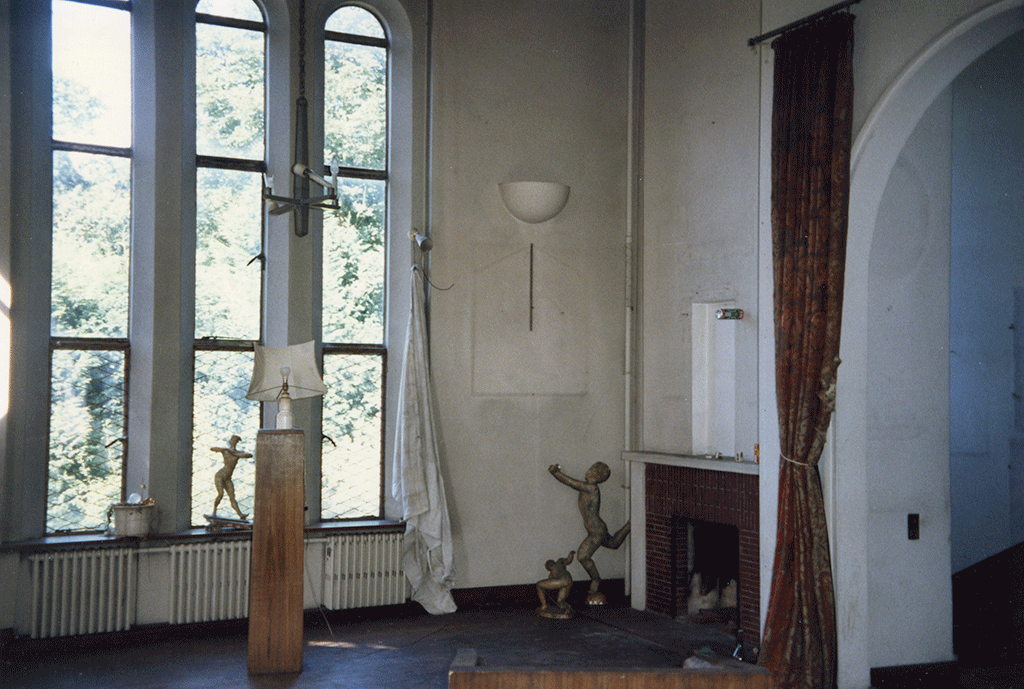
The gallery with one of Gordine’s original sculpture plinths repurposed as a lamp stand
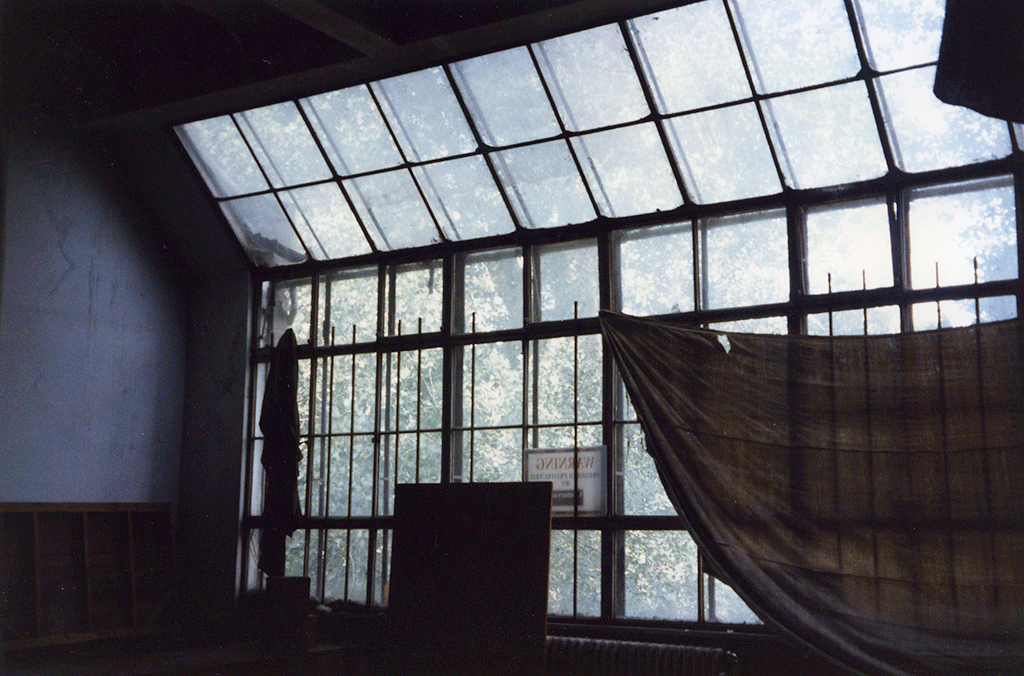
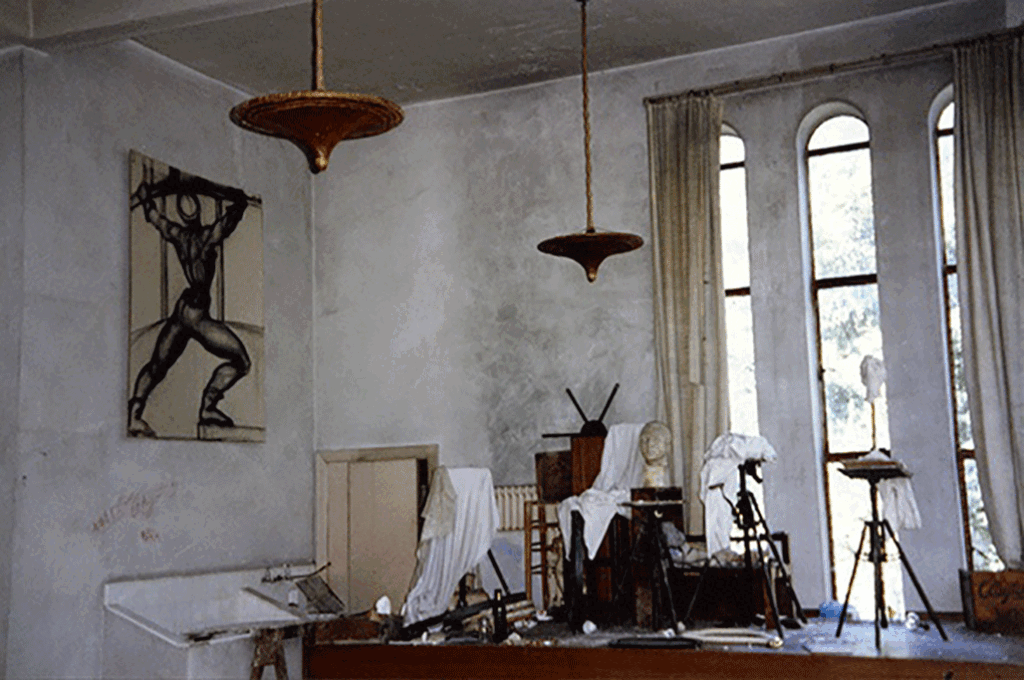
The modelling studio with makeshift curtain
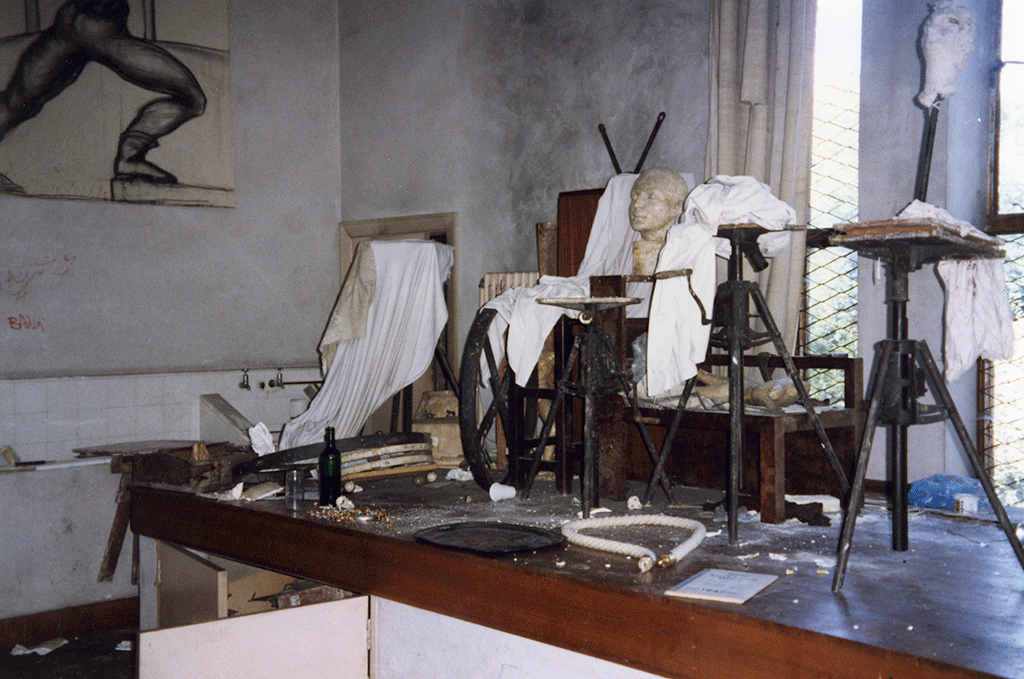
The modelling studio showing the original sink and some of Gordine’s studio equipment
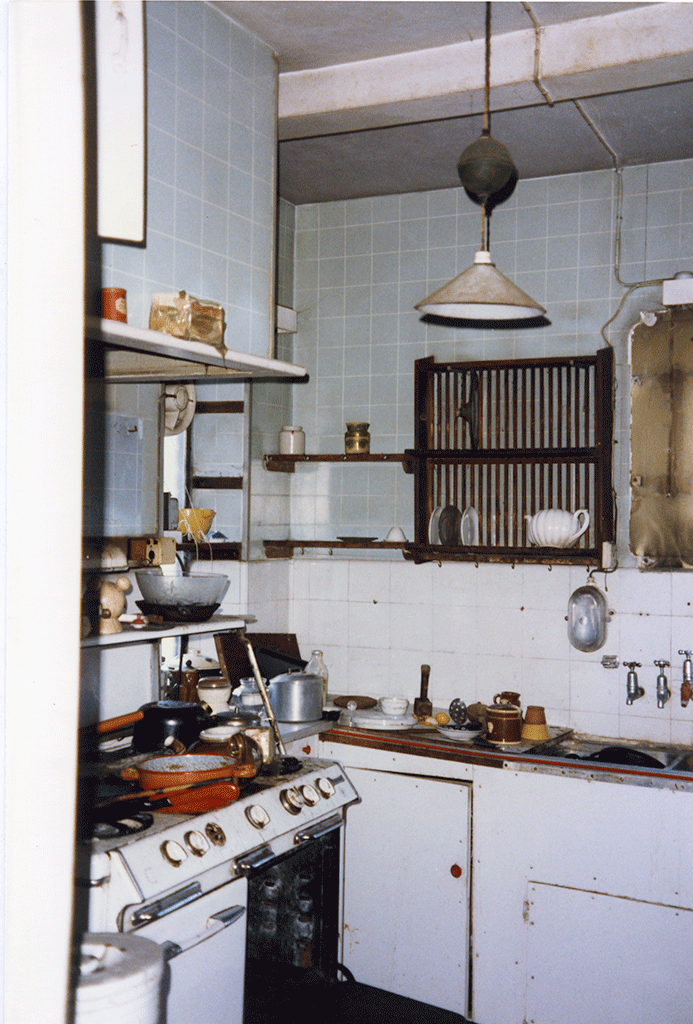
The top-floor kitchen, often mentioned as the heart of the house by Gordine’s friends and visitors
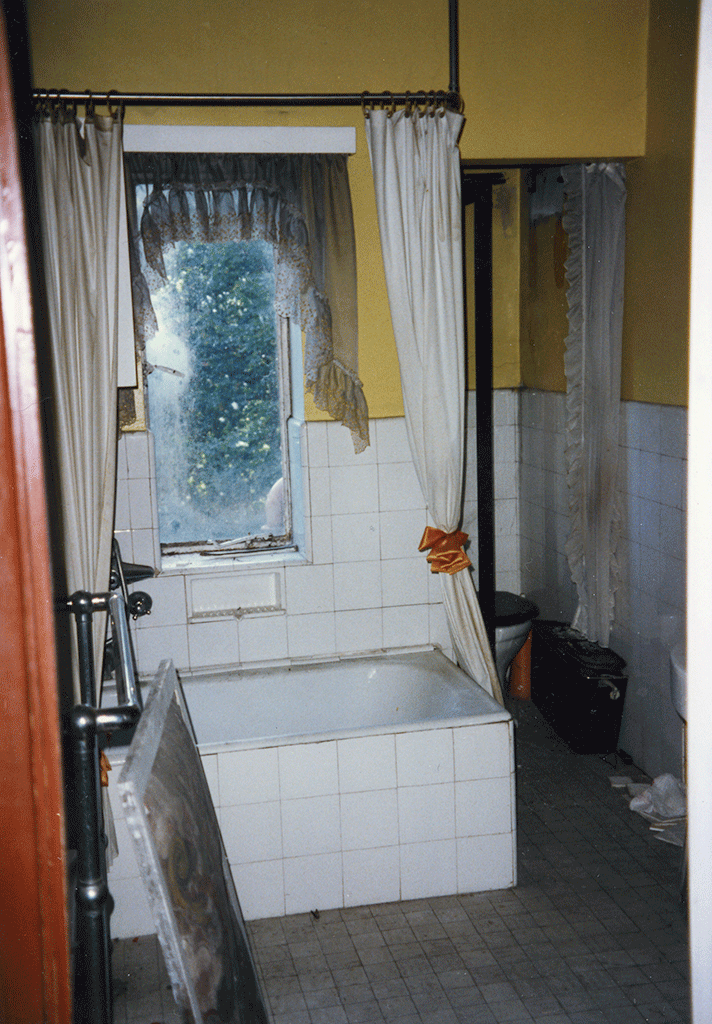
The top-floor bathroom
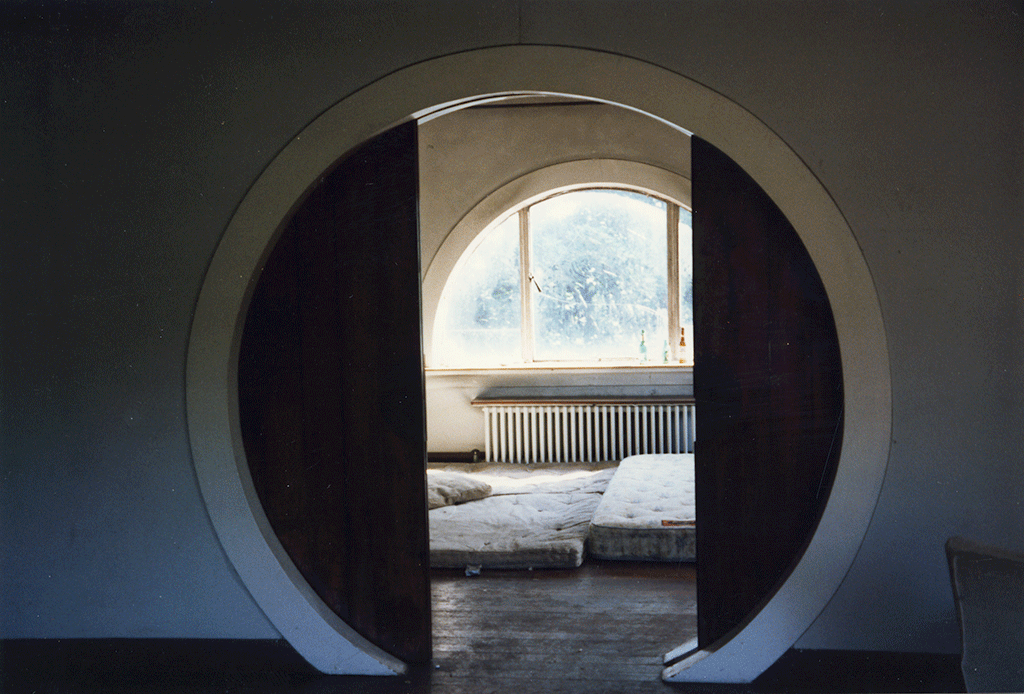
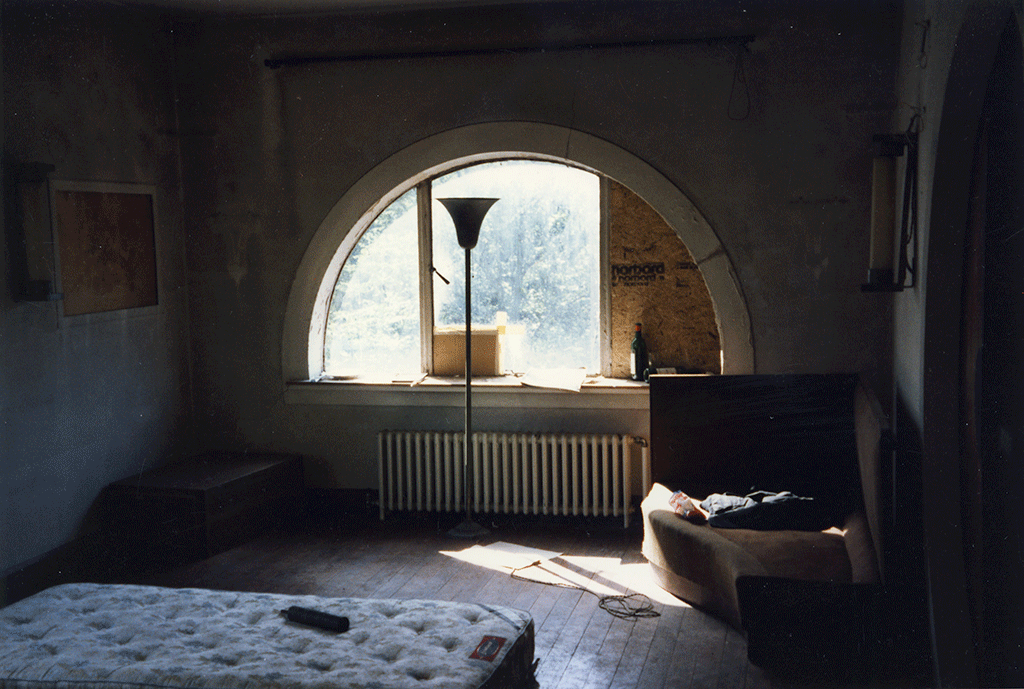
Mattresses on the top floor looking through the moon doors
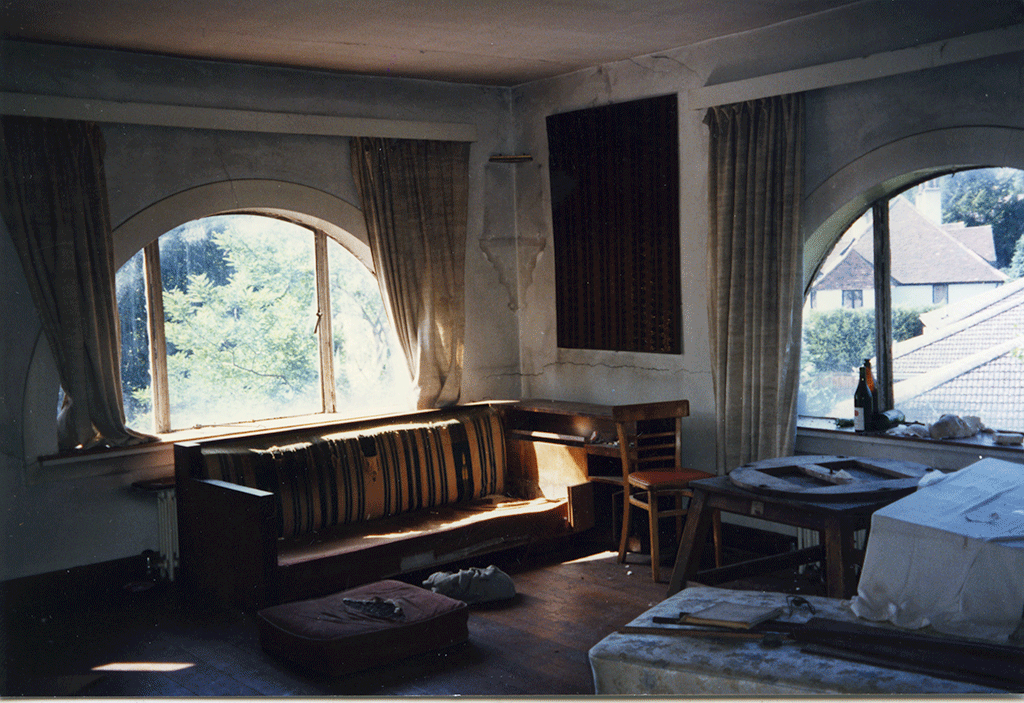
The top floor living room in disarray
The dining room
In the summer of 1994, Isobel Porter, who was then campus manager at the Kingston Hill campus of Kingston University, first came to Dorich House after the university had acquired the site. She took photos of the house, which are now in the Dorich House Museum Archives. In 1992, Dorich House had been emptied of Dora Gordine and Richard Hare’s collection of Russian artefacts, which were being stored in a warehouse by Phillips Auctioneers. Many of Gordine’s sculptures had gone into storage, too, but some plaster models remained. Squatters had occupied the house, possibly some time over late 1992 and had possibly been evicted in June 1993, although there is some suggestion that they and others who held raves in the house continued to return until filming began for the Nicolas Roeg film Two Deaths in June 1994. Porter’s photos show the remnants of the squatters’ occupation and parts of the film set before the renovation by David Brown and Partners began. This photo essay takes you through the house as it was then.
Published as part of the project The Squatter Years: Recovering Dorich House Museum’s Recent Past, funded by the National Lottery Heritage Fund, February 2021.